“The DORA metrics are important, and they can drive a lot of good things, but they aren’t sufficient. You have to dig deeper. “
We spoke with Nathen Harvey, who leads DORA at Google Cloud, about why the four keys are a starting point rather than a finish line, and what actually separates teams who build dashboards from teams who get better.
The interview subject
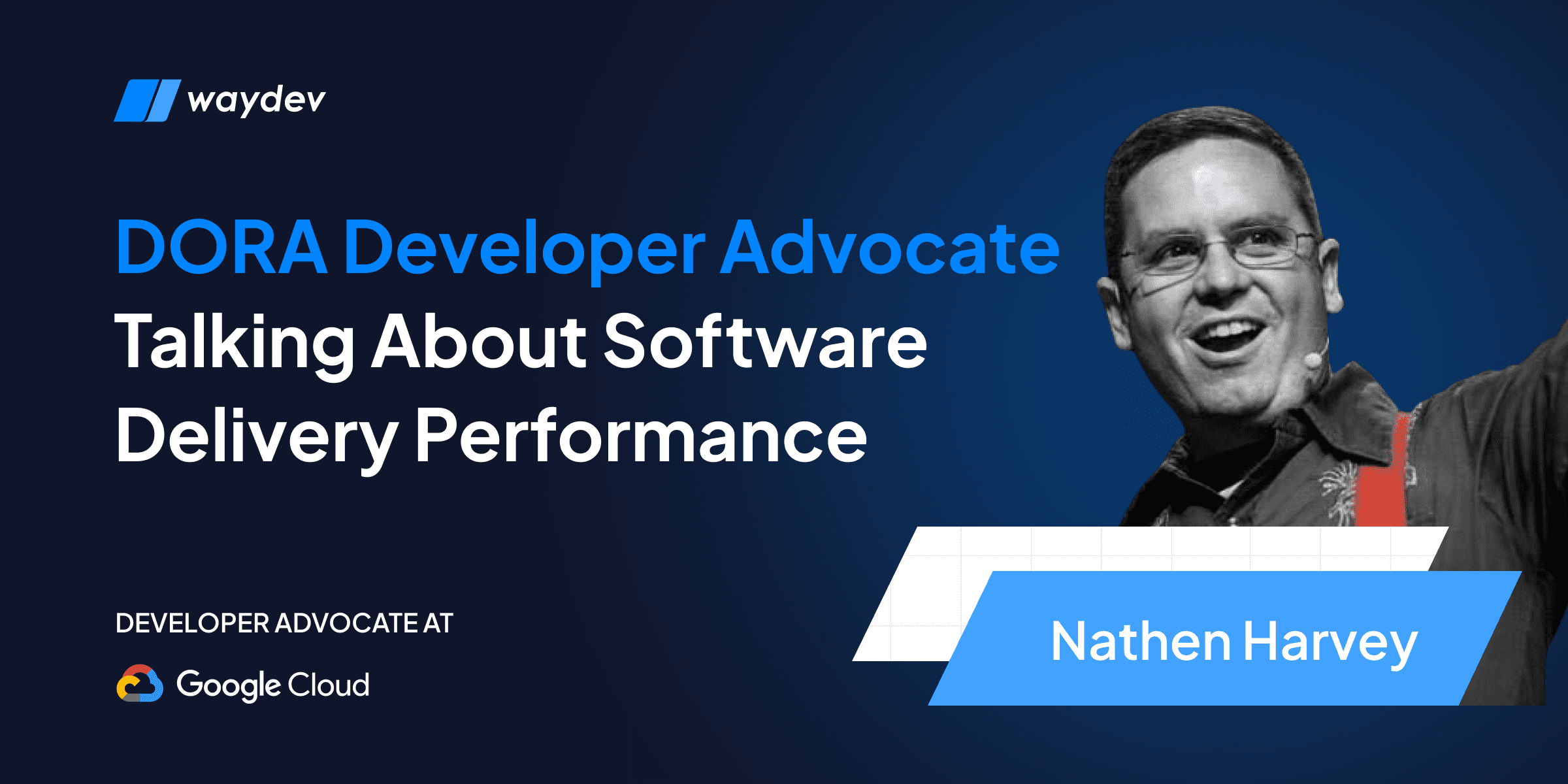
Nathen Harvey
DORA Lead, Google Cloud
Leads the research program behind DORA, the DevOps Research and Assessment group.
Co-founded and stewards the DORA Community, a public space for practitioners, researchers and leaders working with the DORA metrics.
Context
This conversation took place in 2023, when Harvey’s title was Developer Advocate at Google Cloud. He has since become DORA Lead. His answers are reproduced as given.
Alex Circei
Tell us about your role at Google Cloud and your focus on DORA metrics.
Nathen Harvey
I’m a developer advocate with Google Cloud and I focus most of my attention on DORA and helping advance the research program. More importantly, I help make the research actionable and help teams put that research into practice.
My team and I focus on making the academically rigorous research actionable and helping teams apply the insights to their own context. We are working to provide a space for the community of practitioners, researchers and leaders in this space, dora.community.
We continually run into folks who are using DORA in some way to help drive their own internal transformation and to drive productivity. We see lots of pitfalls, lots of success, and a lot of everything in the middle. As we’ve built out this community, we’re seeing a lot of real engagement that has us really excited. It’s doing the things that we had hoped it would.
We’re continually finding more and more tooling out there that’s helping teams expose and visualize their DORA metrics alongside a host of other metrics. Looking at DORA’s four key measures of software delivery performance is important, but it is not telling the entire story. Having tools like Waydev, where we can take a bigger picture and look at more data, helps provide a more comprehensive view of how a team is doing.
“I see a lot of teams that say: the way we’re going to get better is by looking at these four measures. Truly embracing the findings of DORA requires going beyond those four keys.”
How do you go beyond those four measures and look at the capabilities, and how do you really help your team improve? As a vendor that’s putting out these DORA metrics, I want to come along with you to help share that message.
“The DORA metrics are important, and they can drive a lot of good things, but they aren’t sufficient. You have to dig deeper.”
Alex Circei
We are big fans of the DORA metrics. Back in 2017 we started with code-level metrics, then PRs, then tickets, then DevOps metrics, then DORA. Now I think we are capturing the whole spectrum of development, and I see a lot of people adding DORA metrics to their companies right now.
Nathen Harvey
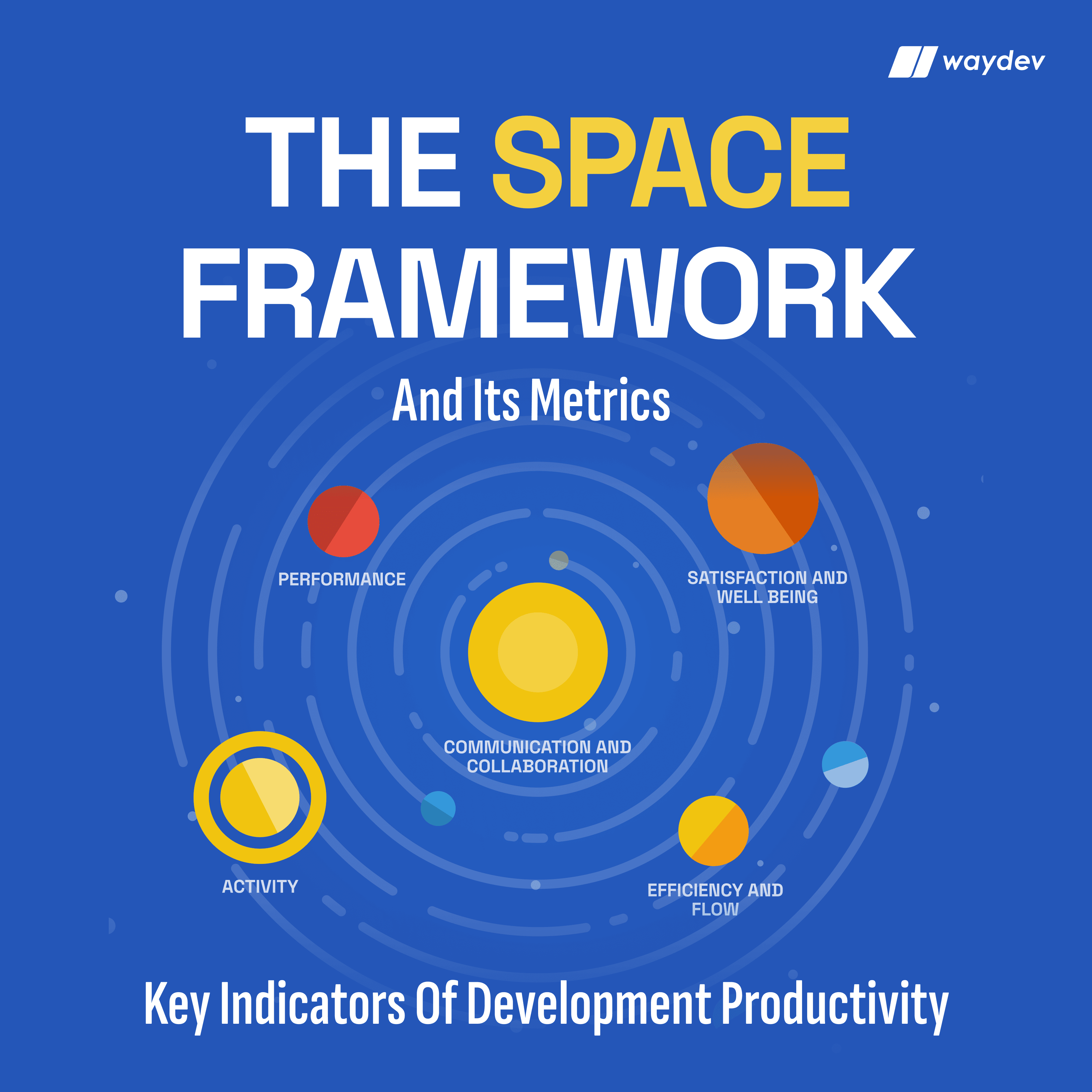
We are too, and that was part of our motivation for building out dora.community. We use a community calendar to amplify events in the community that are talking about DORA. We also hold regular community discussions, like the one we had recently with Dr. Nicole Forsgren, who helped start the DORA research program. Although she’s no longer on DORA, her research into developer productivity continues with recent publications like the SPACE framework. She joined a community discussion and we talked about how DORA and SPACE are complementary to one another.
The whole premise of DORA is that we talk about these four keys, but it’s actually about how we help teams adopt a practice of continuous improvement. It starts by knowing where you are, then identifying the bottlenecks, and what’s holding you back.
Cycle time can now give us a direction to look at: let’s investigate there and figure out what capabilities we have strengths in and what capabilities we have weaknesses in. Let’s make one change across teams, and let’s watch those numbers improve.
“I’m always more interested in a team getting better than how a team compares to other teams or an industry benchmark. I want to see that forward progress.”
One of the things that I really like about Waydev is not only are you giving the benchmark, but you’re also showing the direction. Benchmarking is great, but you are also showing improvement: we went 73% down, or we made a 10% improvement, we used to have 90 hours and now we’re slipping. That’s the piece I care about.
Too often I see teams spending months building dashboards to get a more precise view into the four key metrics for software delivery performance. They end up with pretty dashboards but without necessarily making any actual improvements to their capabilities. They’ve invested a lot of engineering capacity and energy into getting better visibility, but little capacity into actually improving. Of course you need that visibility, but if you had to choose visibility or getting better, commit to getting better every time. I want you to be able to spend more of your energy and effort on improving than on validating that you’ve improved.
Editor’s note, 2026
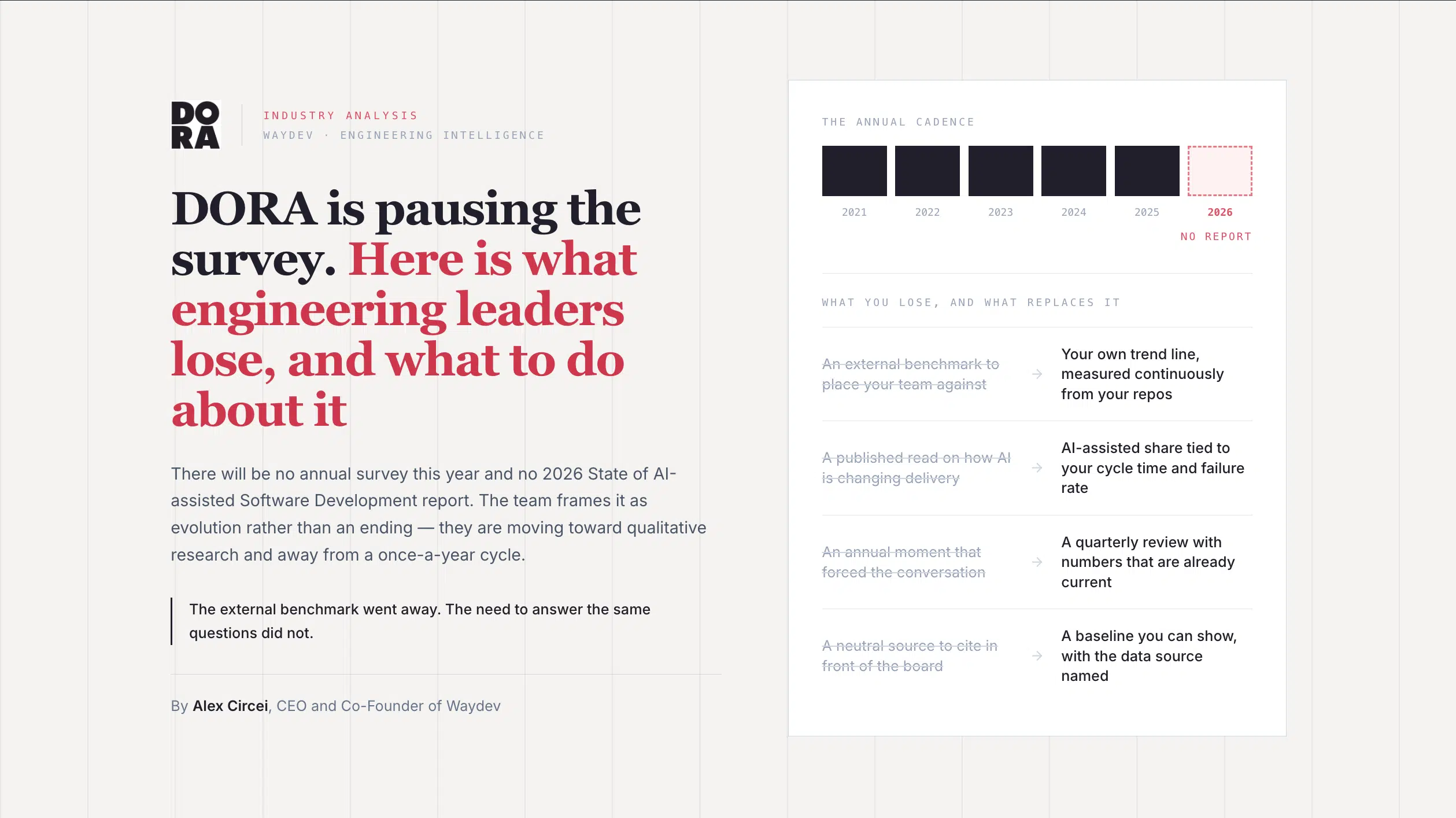
DORA announced in September 2026 that it will not run its annual survey this year, and will not publish a 2026 State of AI-assisted Software Development report. The community, the AI Capabilities Model and the core research program continue. We covered what changes and what does not in DORA is pausing the survey.
That development gives Harvey’s point from this conversation more weight rather than less. The industry-wide benchmark he helped build was always going to matter less than a team’s own trend, and with the annual dataset paused, your own longitudinal record is now the only benchmark you can be certain will still exist next year.
Harvey’s argument holds up: the four keys are where continuous improvement starts, not where it ends. Visibility into DORA metrics matters, but the teams that actually get better are the ones who spend their energy closing the gap rather than perfecting the dashboard that shows it.
The short version
Know where you are, find what’s holding you back, make one change, and watch the number move. Everything else is instrumentation in service of that loop, not a replacement for it.
See your own DORA trend
Connect your repositories and we will backfill your history, so you can see your own DORA metrics trending over time, not just a benchmark against everyone else.
Related: DORA is pausing the survey · DORA metrics in the AI era · Announcing the WAY Framework · DORA metrics · DORA Metrics Playbook · SPACE Framework Playbook
Waydev is the AI-native engineering intelligence platform, giving engineering leaders visibility into DORA metrics, cycle time, sprint progress and project costs, with the ability to build custom dashboards, by connecting to the engineering tool stack: GitHub, CircleCI, Jira and more.
Ready to unlock your SDLC productivity?